This store is currently for viewing purposes only. You can visit our physical store to purchase items. If you have any questions, please contact us for more details.

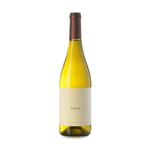
Isaac Cantalapiedra Lirondo Verdejo 2024
The grapes were harvested by and pressed whole cluster with a
pneumatic press into stainless steel tanks, where the juice
settled and fermented at 20 degrees Celsius. The wine
completed fermentation and malolactic conversion and rested
for ~6 months on the lees before bottling without fining,
filtering, or sulfur addition.
The Cantalapiedras descend from several generations of
winegrowers working in the municipality of La Seca, the
heart of the Rueda appellation. Although there are records
of the Cantalapiedras’ grape-growing dating to the 19th
century, the birth of the current estate can be traced
directly to the year 1949, when patriarch Heliodoro
planted his first vineyard plot, or majuelo, at the tender
age of 15. Since 2014, Manuel (Heliodoro’s grandson) has
been the driving force behind Cantalapiedra Viticultores,
taking charge of first the winemaking and now the farming
of their vines. As a farmer, Manuel strives to go beyond
organics, and incorporates many biodynamic practices
into their viticulture. In the cellar, he utilizes wild yeasts
for fermentation, minimal amounts of sulfur, and no other
additions, all of which distinguish him from the
predominantly conventional practices of most wineries in
Rueda.