This store is currently for viewing purposes only. You can visit our physical store to purchase items. If you have any questions, please contact us for more details.

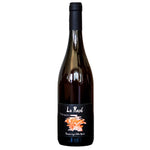
Ktima Ligas Le Rosé 2023
Ktima Ligas Le Rosé 2023 is another deeply personal and unconventional wine from the Ligas family in Pella, northern Greece, where natural winemaking and permaculture have been central to the estate for decades. Thomas Ligas founded the winery after studying oenology in France, but it was his daughter Meli Ligas who helped push the project into its current form, becoming one of the most influential figures in Greece’s natural wine movement. Her approach combines scientific rigor with an intentionally hands off philosophy, producing wines that often feel raw, textured, and completely tied to place rather than polished to a market style.
Le Rosé 2023 is made primarily from xinomavro, with the grape handled in a way that emphasizes aromatic lift and texture rather than extraction or color. Unlike many commercial rosés built around quick pressing and clean fruit, this wine sees meaningful skin contact, typically around 3 to 5 days depending on the vintage conditions. That extended maceration gives the wine its deeper copper pink hue along with a lightly tannic structure and savory complexity that pushes it well beyond simple rosé territory.
Fermentation takes place spontaneously with indigenous yeast in stainless steel, followed by aging on fine lees for several months before bottling without filtration. Sulfur use is extremely limited or omitted entirely depending on the vintage. The combination of skin contact, lees aging, and minimal intervention gives the wine a layered texture and slightly wild edge while still preserving the bright acidity xinomavro naturally carries. The overall style sits somewhere between rosé, light red, and skin contact wine.
The 2023 opens with sour cherry, blood orange, rosehip, dried strawberry, tomato leaf, and crushed herbs layered over earthy spice and a faint saline note. There is a subtle grip through the palate from the extended skin contact, balanced by vivid acidity and a lightly oxidative savory character that is very much part of the Ligas aesthetic. It is a rosé in color, but structurally and aromatically it behaves much more like a serious Mediterranean table wine.